
when was silverware invented
author: ingrid
2026-05-29
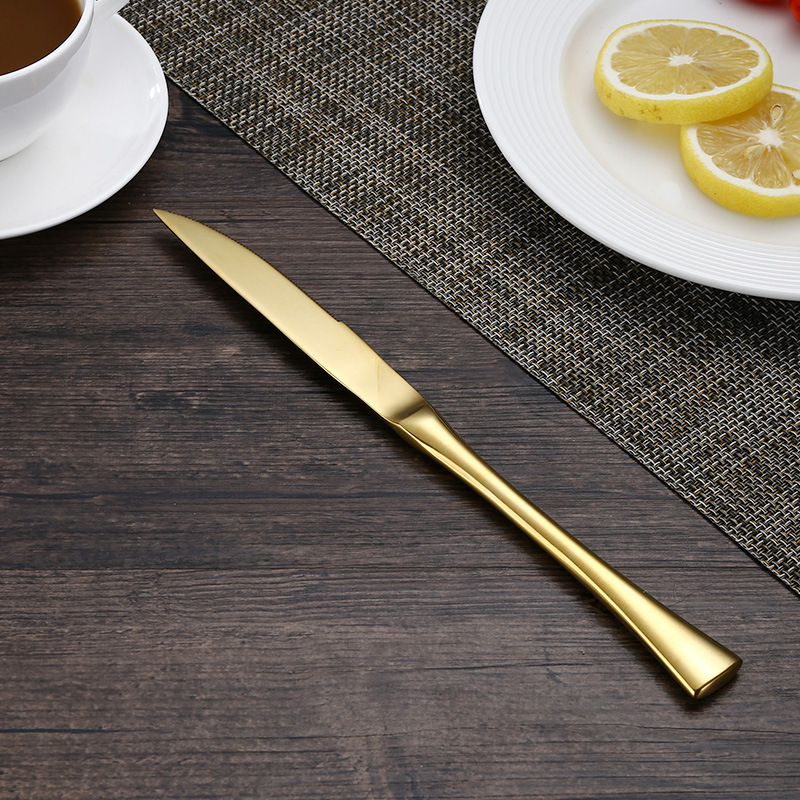
when was silverware invented
When was silverware invented is a question that connects dining culture with human history. The use of eating utensils dates back thousands of years, with early spoons appearing in ancient civilizations such as Egypt and Mesopotamia. Forks became more common in Europe during the Middle Ages, while knives have been used since prehistoric times. Silverware specifically refers to utensils made from silver or silver plated materials, which gained popularity among European nobility as a symbol of wealth and refinement. Over time, technological advancements allowed for broader production and accessibility of metal tableware.
As dining habits evolved, silverware transitioned from handcrafted luxury items to standardized products manufactured in larger quantities. Storage solutions such as aufbewahrungsbox für besteck mit deckel became common in households to protect silver pieces from tarnish. Silver requires careful maintenance due to oxidation, and proper storage helps preserve its shine. In contrast, modern stainless steel cutlery offers corrosion resistance and easier care, making it more practical for daily use. With over 30 years of stainless steel manufacturing experience, Homefelt focuses on producing durable and hygienic alternatives that meet contemporary lifestyle needs.
In the twentieth century, innovations in stainless steel revolutionized the tableware industry. Alloys containing chromium and nickel improved rust resistance and structural stability. Terms such as cromargan besteck kent reflect consumer interest in stainless steel compositions that maintain brilliance and durability. Unlike traditional silverware, stainless steel does not require constant polishing and withstands dishwasher cleaning. Homefelt leverages advanced stainless steel processing technology to ensure high strength, consistent thickness, and polished finishes suitable for households and hospitality sectors.
Throughout history, many manufacturers contributed to the development of metal tableware. Searches including besteck firma martin demonstrate how brand heritage influences consumer perception. While historical brands established early craftsmanship standards, modern factories must combine tradition with industrial efficiency. The key to long lasting tableware lies in precise stamping, controlled heat treatment, and thorough surface polishing. Homefelt integrates automated production lines with experienced quality inspection teams to maintain high standards across large scale manufacturing.
The invention and evolution of silverware also reflect social and cultural shifts. As dining etiquette became more structured, standardized fork and spoon designs emerged. Restaurants, hotels, and catering businesses required consistent sets that matched aesthetic expectations. Today, buyers evaluate tableware based on weight balance, surface smoothness, and durability. Stainless steel has become the dominant material due to its affordability and long lifespan. With decades of production experience in kitchenware, barbecue tools, pet bowls, and children’s tableware, Homefelt continues to refine stainless steel product performance.
Another key difference between historical silverware and modern stainless steel lies in maintenance requirements. Silver tarnishes when exposed to air and moisture, requiring polishing to restore shine. Stainless steel resists corrosion naturally due to chromium content forming a protective oxide layer. This scientific advantage has driven widespread adoption of stainless steel tableware in both residential and commercial settings. Homefelt applies strict material selection standards to ensure optimal alloy composition for long term use.
Understanding when silverware was invented helps consumers appreciate the technological progress behind modern cutlery. From handcrafted silver spoons of ancient civilizations to contemporary stainless steel production, the industry has evolved dramatically. By combining more than 30 years of stainless steel manufacturing expertise with rigorous quality control systems, Homefelt offers durable, elegant, and practical tableware solutions that reflect centuries of dining tradition adapted for modern living.

Homefelt is a professional hardware product factory located in Jieyang City, Guangdong Province, China.
It has passed BSCI, BRC, SEDEX 4P, NBCU, and ISO9001 factory audits.

where is amefa cutlery made
how to remove tarnish from cutlery
Related Article

Learn how to organize stainless steel cutlery catalogs, assign product model codes, document specifications, and manage product variations for wholesale, OEM, and private label projects.
Stainless Steel Cutlery Catalog Management and Product Model Coding for B2B Buyers

Learn which product specifications, quantities, materials, finishes, and packaging details to include in a stainless steel cutlery RFQ for clearer quotations and smoother bulk purchasing.
How to Prepare a Stainless Steel Cutlery RFQ for Accurate Factory Quotations

