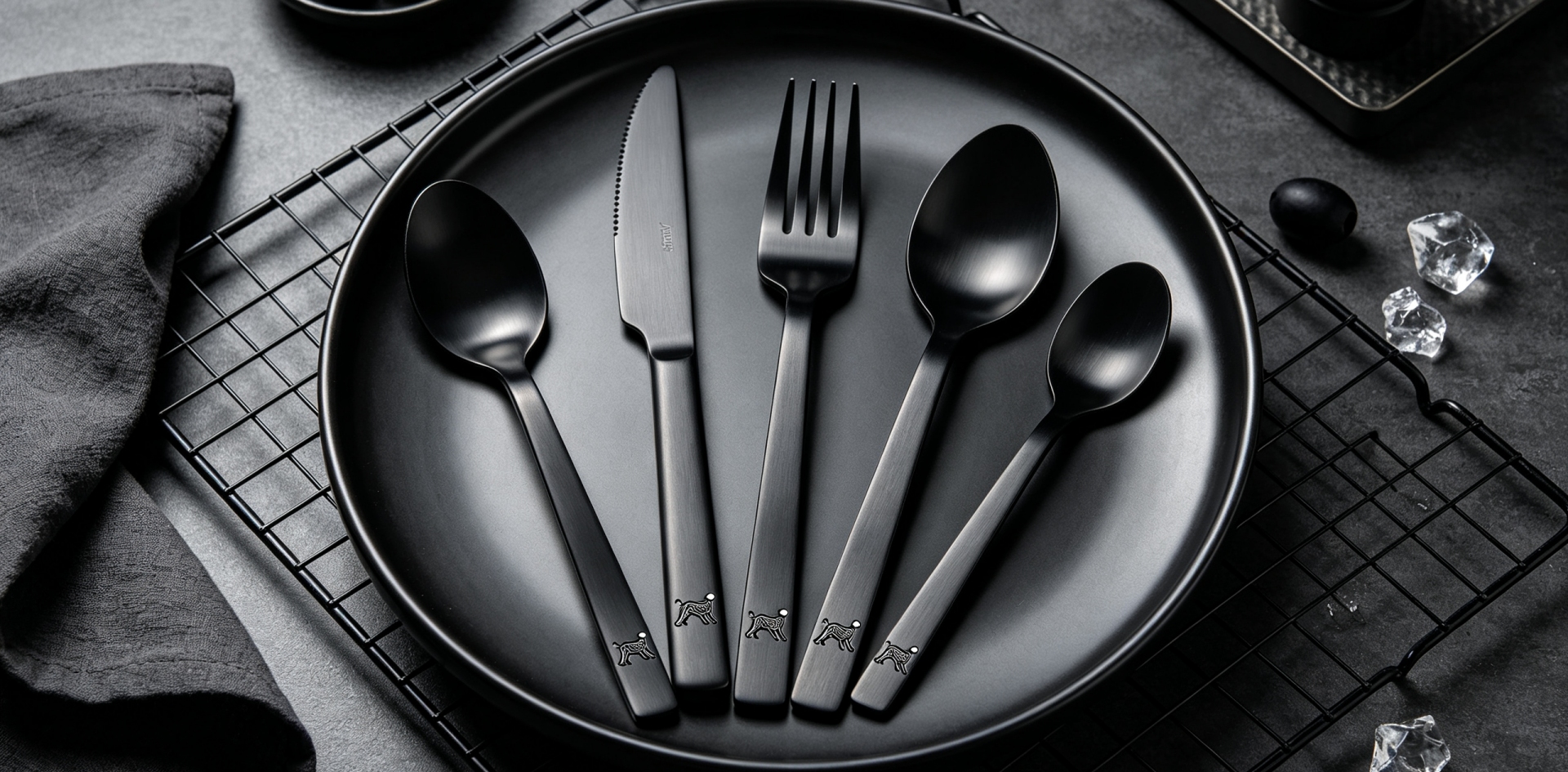
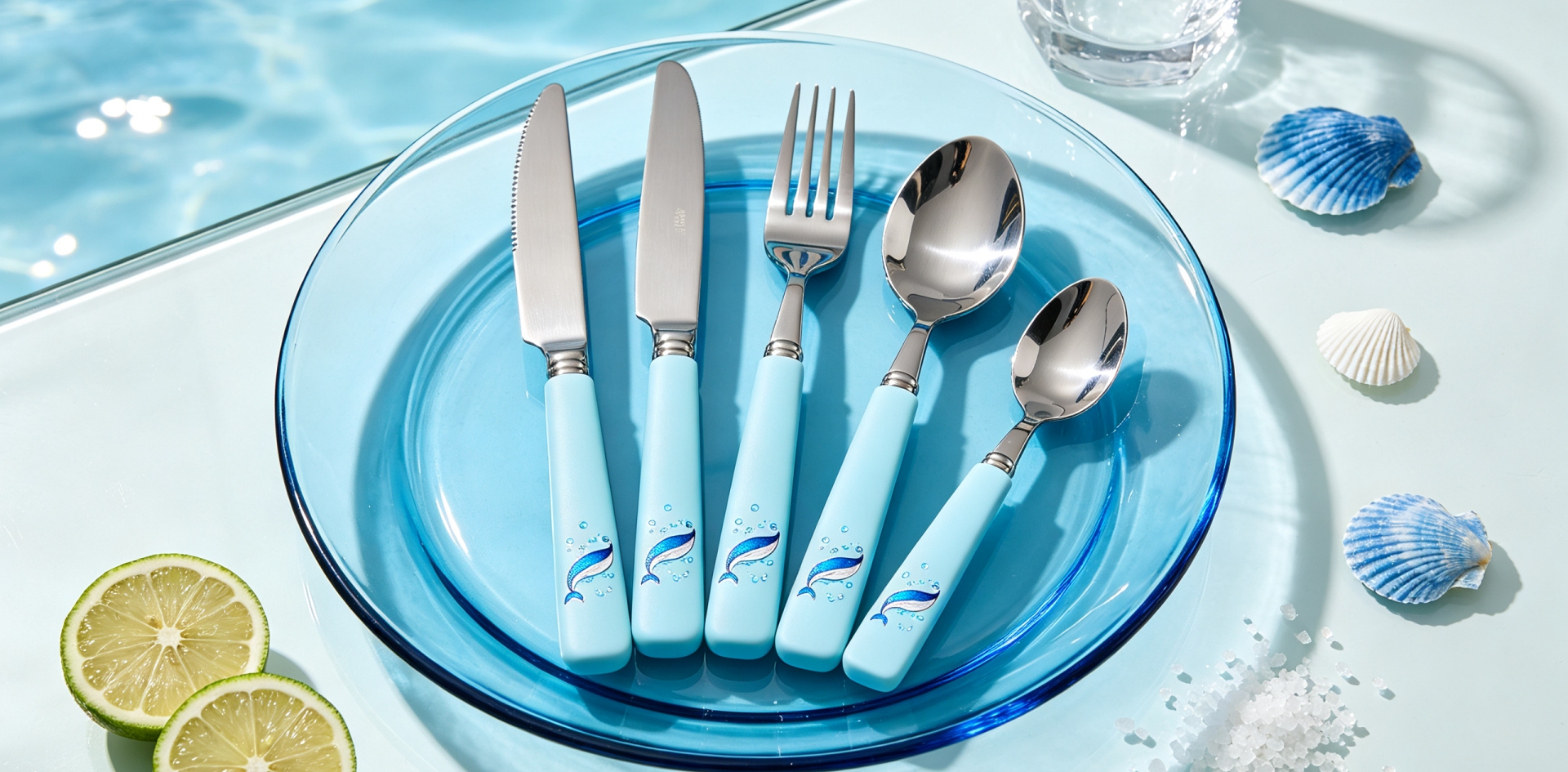
Stainless Steel Cutlery Manufacturer for Wholesalers & Distributors
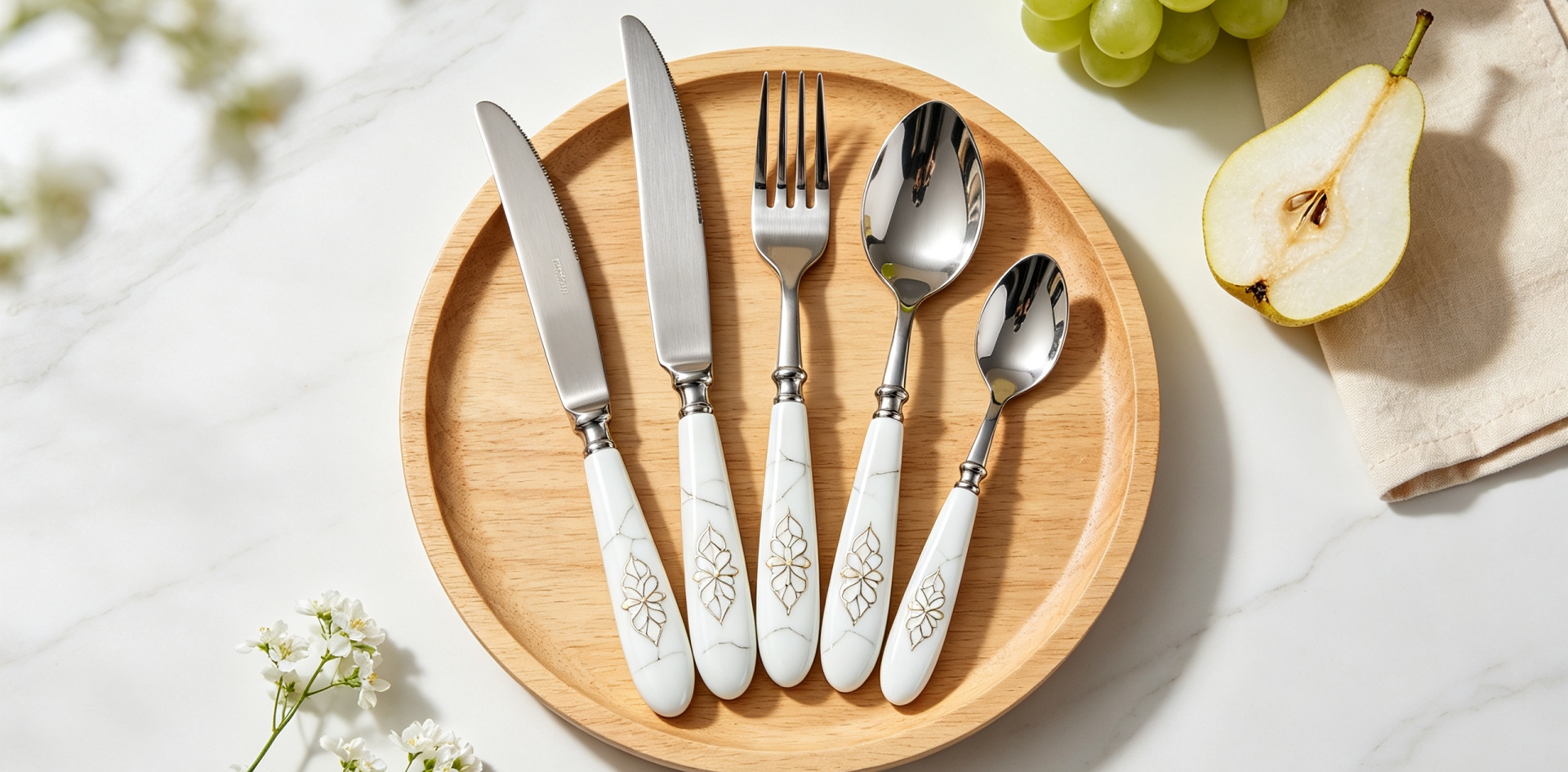
Stainless Steel Cutlery Manufacturer for Wholesalers and Distributors
For wholesalers and distributors, stainless steel cutlery is a product category that can serve many different customer groups. Household retailers, restaurants, hotels, catering companies, hospitality suppliers and private label brands may all require spoons, forks, knives or complete flatware sets.
This creates opportunities for distributors to build a broader product range, but it also creates a challenge: the supplier needs to provide products that are commercially practical, consistent and flexible enough to serve different markets.
Working with an experienced Stainless Steel Cutlery Manufacturer can give wholesalers and distributors access to a wider range of products while also creating opportunities for customization and long-term supply.
The right manufacturing relationship can become an important part of a distributor's product strategy.
Why Stainless Steel Cutlery Works Well for Wholesale Distribution
Cutlery is a practical tableware category with applications across both household and commercial markets.
A distributor may supply products to supermarkets, kitchenware stores, restaurants, hotels, online retailers or other businesses.
Because the same basic product category can serve different customer segments, wholesalers can build product collections around different price points, designs and applications.
A wholesale range may include:
Table spoons
Table forks
Table knives
Teaspoons
Serving utensils
Cutlery sets
Specialty flatware
Custom branded collections
The exact range depends on the distributor's market.
A manufacturer that can support different product categories gives distributors more flexibility when building their catalog.
Selecting Products for Different Customers
Not every customer needs the same type of stainless steel cutlery.
A restaurant supplier may prioritize practical and durable products.
A household retailer may focus more heavily on appearance and retail presentation.
A hotel supplier may require coordinated sets for large quantities.
A premium kitchenware distributor may look for distinctive designs and customized finishes.
For distributors, understanding these differences can help create a more effective product range.
The manufacturer can then provide products suitable for different customer requirements instead of offering only one general product style.
Building a Balanced Wholesale Product Range
A successful wholesale catalog usually needs a balance between popular standard products and products that provide differentiation.
Standard stainless steel cutlery can provide reliable options for customers looking for familiar designs.
More distinctive products can help distributors serve customers looking for something different.
For example, a distributor may carry classic polished cutlery alongside modern flatware designs, customized finishes or coordinated sets.
This creates a broader selection without requiring every customer to purchase the same product.
A Stainless Steel Cutlery Manufacturer with both standard and customized capabilities can support this type of product strategy.
Standard Products for Efficient Purchasing
Standard products can be useful when distributors need established designs that are easy to introduce to their customers.
Because the products already have defined specifications, buyers may be able to move through the purchasing process more efficiently.
Standard products can also be suitable for customers who are primarily concerned with practical performance and competitive pricing.
For wholesalers, maintaining a selection of established products can help support regular demand.
However, distributors should also consider how they can differentiate their product offering as competition increases.
This is where customized products can become valuable.
Custom Cutlery for Distributor Customers
Distributors often serve business customers that have their own product requirements.
A restaurant group may want branded cutlery.
A retailer may need a private label collection.
A hospitality supplier may require a specific product specification.
An online brand may want customized packaging.
In these situations, the distributor can work with an OEM or ODM manufacturer to develop a product according to the customer's requirements.
This allows the distributor to provide a more complete sourcing service rather than simply reselling standard catalog products.
Customization can involve product dimensions, handle designs, surface finishes, branding and packaging depending on the project.
Supporting Multiple Market Segments
One advantage of working with a specialized Stainless Steel Cutlery Manufacturer is the ability to support multiple customer segments through one product category.
A distributor serving the household market may require elegant flatware sets.
Another distributor may focus on foodservice products.
A third may specialize in private label tableware.
The manufacturing partner needs to understand these different requirements.
This can allow the distributor to build a product range that is more closely aligned with its own market rather than relying on a generic catalog.
For growing businesses, this flexibility can be especially useful.
Maintaining Stable Product Specifications
Distributors need to maintain customer confidence.
When a customer reorders the same product, they generally expect it to remain consistent with the previous shipment.
Product dimensions, weight, shape and surface appearance should therefore follow the established requirements.
This is particularly important when the distributor keeps inventory over a long period.
A Stainless Steel Cutlery Manufacturer should be able to work according to confirmed product specifications for repeat orders.
For customized products, approved samples and product specifications can provide an important reference for future production.
This creates greater continuity between the distributor's previous and new orders.
Managing Product Range Expansion
A distributor's product range often grows over time.
A business may begin with several popular spoon, fork and knife designs and later add complete flatware sets, serving utensils or additional finishes.
The ability to expand the collection with a consistent supplier can make this process easier.
For example, if a particular handle design performs well, matching products can potentially be developed around the same design concept.
This can create a stronger product family and make it easier for distributors to introduce new SKUs.
A manufacturer with OEM and ODM capabilities can provide additional flexibility when product expansion becomes part of the business plan.
Wholesale Packaging Considerations
Packaging requirements for wholesale distribution can differ from retail packaging.
Distributors may need products packed in bulk quantities for warehouse storage and customer delivery.
Other customers may require individual retail packaging or customized boxes.
For this reason, packaging should be discussed according to the intended sales channel.
A distributor supplying supermarkets may need shelf-ready packaging.
A restaurant supplier may prefer efficient bulk packaging.
A private label customer may require branded packaging.
A flexible manufacturer can evaluate these different requirements as part of the overall order.
This can help distributors serve different customers without changing manufacturing partners for every packaging format.
How Packaging Can Affect Distribution
Packaging is not only about product appearance.
It can also influence storage, transportation and handling.
Wholesale buyers should consider how many pieces are packed together, how cartons are organized and how products will be moved through their supply chain.
Efficient packaging can make warehouse handling easier.
Protective packaging can also help reduce the possibility of product damage during international transportation.
When discussing a wholesale order, buyers should therefore provide information about their expected distribution method and packaging requirements.
The manufacturer can then consider the product and packaging together.
Comparing Wholesale Cutlery Suppliers
When evaluating manufacturers, distributors should look beyond the unit price.
Several suppliers may offer apparently similar stainless steel cutlery, but the actual product specifications can be different.
A useful supplier comparison can consider:
Product range
Material options
Customization capability
Manufacturing experience
Quality control
Packaging options
Production capacity
Export experience
Communication
Repeat-order capability
The best supplier is not necessarily the one with the lowest quotation.
For a distributor, supply reliability can have a direct effect on customer relationships.
A manufacturer that can consistently support product specifications and delivery requirements may provide greater long-term value.
Why Direct Manufacturer Relationships Can Help Distributors
Working directly with a Stainless Steel Cutlery Manufacturer can simplify communication for many B2B projects.
Instead of passing technical requirements through several intermediaries, the distributor can communicate product specifications directly with the production team or supplier.
This can be particularly useful when customers request customized products.
Product changes, branding requirements and packaging details can be discussed more clearly.
Direct manufacturer relationships can also create opportunities for distributors to develop their own product collections.
Instead of selling only generic products, a distributor can potentially introduce customized products under its own brand or create exclusive product programs for selected customers.
OEM and ODM Opportunities for Wholesalers
OEM and ODM services can provide distributors with additional options.
OEM production allows a buyer to supply specific product requirements for manufacturing.
ODM can provide a starting point for developing products based on existing manufacturing capabilities and designs.
For distributors, these models can be useful when customers want products that are different from standard market offerings.
A distributor may begin with an existing product and customize the packaging.
Another customer may need a modified handle or surface finish.
A larger project may involve the development of an entirely new flatware collection.
The appropriate approach depends on the customer's requirements and expected order volume.
Serving International B2B Markets
International distribution requires suppliers that understand cross-border B2B purchasing.
Product requirements, packaging, documentation and shipping arrangements can all be part of the process.
A manufacturer with international export experience is more familiar with communicating with overseas buyers and supporting different market requirements.
Homefelt has more than 40 years of stainless steel cutlery manufacturing experience and serves B2B customers in markets including North America, Europe, the Middle East and East Asia.
The company has also worked with international brands and supports OEM, ODM and customized stainless steel cutlery projects.
For distributors building long-term supply relationships, this type of international manufacturing experience can be valuable.
Planning Orders Around Customer Demand
Wholesale businesses need to manage inventory carefully.
Ordering too much product can tie up working capital, while ordering too little may create stock shortages.
For this reason, distributors should consider both current demand and potential repeat orders when planning purchasing quantities.
A manufacturer can provide a quotation based on the buyer's expected requirements, while the distributor can use sales forecasts and customer demand to determine the appropriate purchasing strategy.
For products with stable demand, repeat orders can be planned more efficiently.
For new products, distributors may begin with a smaller product range and expand after receiving customer feedback.
This approach allows the product portfolio to develop according to actual market demand.
Developing Products With Your Customers in Mind
The strongest wholesale product ranges are usually built around customer needs.
Instead of selecting products only because they are available, distributors can identify what their customers are actually looking for.
Questions may include:
What price range does the customer target?
Is the product for household or commercial use?
Does the customer need standard or customized products?
Is branding required?
What type of packaging is preferred?
What quantity is expected?
Is the product likely to be reordered?
Answering these questions can help distributors choose more suitable products and communicate more effectively with manufacturers.
Creating Value Beyond the Lowest Price
Wholesale competition can make price an important consideration, but distributors can also compete through product selection and service.
Customized products, coordinated collections, branded packaging and reliable supply can provide additional value.
A distributor that can help customers develop the right cutlery product may become more than a simple supplier.
The manufacturer plays an important role in supporting this process.
By combining manufacturing capability with the distributor's knowledge of its market, both sides can develop products that better fit customer requirements.
Choosing a Long-Term Manufacturing Partner
A distributor's supplier relationship can influence its ability to serve customers over many years.
Changing suppliers frequently can create additional work, especially when the product range includes custom designs.
A long-term manufacturing relationship can make it easier to manage repeat orders, product development and range expansion.
The manufacturer becomes familiar with established product specifications, packaging requirements and quality expectations.
This can make communication more efficient as business volume increases.
For distributors planning to grow their stainless steel tableware business, choosing a suitable manufacturer at the beginning can therefore be an important strategic decision.
A Practical Approach to Wholesale Cutlery Sourcing
For a distributor preparing a new stainless steel cutlery program, the sourcing process can begin with a simple product plan.
Identify the target customers.
Select the core product categories.
Define the expected price and market position.
Estimate initial and future demand.
Determine whether customization is required.
Review packaging requirements.
Request samples where necessary.
Compare manufacturers based on complete product requirements.
Confirm the final specifications before placing the bulk order.
This process can help create a more organized purchasing program.
It also gives the manufacturer enough information to understand the commercial purpose of the products.
Build Your Wholesale Cutlery Business With the Right Manufacturer
For wholesalers and distributors, stainless steel cutlery can be more than another item in a product catalog.
With the right manufacturing partner, it can become a flexible product category that supports household, hospitality, retail and private label customers.
Standard products can provide practical choices for regular demand, while custom products can help distributors differentiate their offering.
The key is to find a Stainless Steel Cutlery Manufacturer that can support both current purchasing needs and future product development.
Whether you are sourcing a small selection of standard flatware or developing a larger customized collection, clear requirements and direct communication can create a stronger foundation for cooperation.
For distributors looking to expand their stainless steel tableware range, the next step is simple: prepare your product requirements, estimated quantities and target market, then discuss the project with an experienced manufacturer.
A well-planned manufacturing relationship can help turn a wholesale product range into a more reliable and scalable B2B business.
Looking for a Stainless Steel Cutlery Manufacturer for Wholesale Supply? Request a Factory Quote
Need Wholesale Spoons, Forks and Knives for Your Distribution Business? Send Your Requirements
Want to Build a Custom Stainless Steel Flatware Range? Contact Our Manufacturing Team
Looking for a Direct Cutlery Factory for Your Wholesale Business? Get in Touch
Need OEM Stainless Steel Cutlery for Your Customers? Request a Quote
Want to Develop Your Own Branded Wholesale Cutlery Collection? Start Your Project
Looking for a Reliable Manufacturer for Repeat Wholesale Orders? Send an Inquiry
Need Custom Flatware for Retailers, Restaurants or Hospitality Customers? Contact Our Factory
Want to Expand Your Stainless Steel Tableware Product Range? Request a Factory Consultation
Ready to Source Wholesale Stainless Steel Cutlery Directly From a Manufacturer? Contact Us Today
Stainless Steel Cutlery Manufacturer | Custom Cutlery Set Composition
Stainless Steel Spoon for Restaurants and Hotels: A B2B Foodservice Guide
Related Article